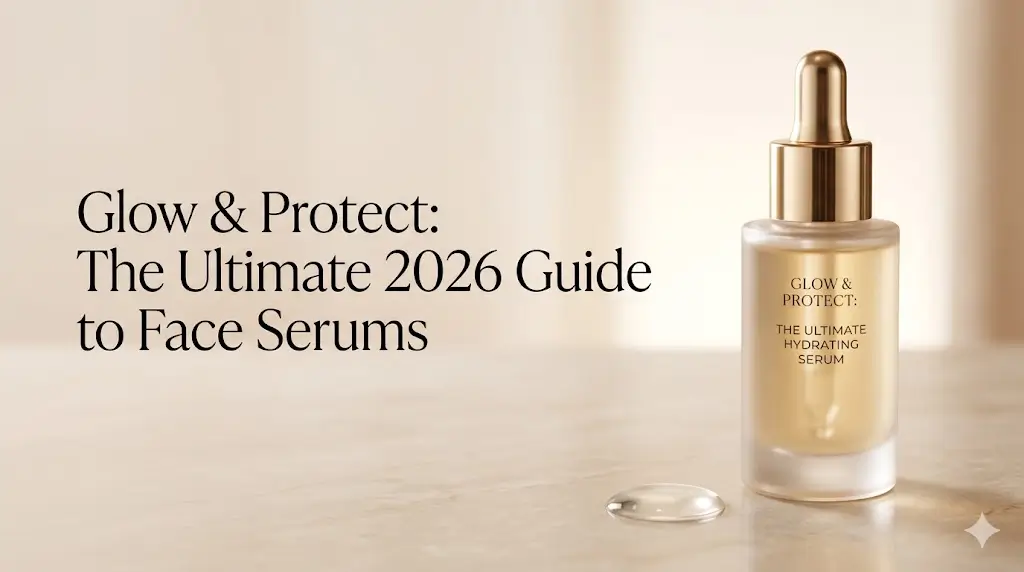
The Best Face Serum in Pakistan (2026): A Real-World Guide to Price & Performance
Key Takeaways:
- The Climate Factor: Heavy, occlusive imported serums often trigger breakouts in Pakistan’s humid summers. Lightweight gel/fluid formulas perform significantly better.
- The Holy Grail: Jenpharm Maxdif is the top-performing serum for hyperpigmentation and post-inflammatory hyperpigmentation (PIH) that won’t suffocate the skin.
- Application Rule: Apply hydrating serums to damp skin, but strong acid actives (like MandelAC) to dry skin to prevent barrier damage.
- The Unskippable Step: All hyperpigmentation progress is instantly reversed without a non-greasy sunscreen like Jenpharm Spectra Matt SPF 40.
- Price & Authenticity: Domestic serums range from PKR 1,500 to 3,000, while imports cost PKR 6,000+. Always buy from official flagship stores to avoid rampant counterfeits.
If you search for the “best face serum in Pakistan,” you will likely land on a generic list of high-volume brands pulled straight from the internet. As someone who has actively managed Cosmetics Pakistan, I can tell you that those lists completely miss the reality of what local customers actually buy—and more importantly, why they buy it.
I’ve spent years looking at the real e-commerce data. I see the actual skin concerns driving purchases across regions like Punjab and Sindh. This guide isn’t based on generic affiliate research. It is built on practical market reality, genuine user intent, and the distinct environmental challenges our skin faces.
The Pakistani Climate vs. Your Skincare Routine
Most skincare content completely ignores our geographical reality. The two biggest challenges for Pakistani skin are post-inflammatory hyperpigmentation (PIH) from intense UV exposure, and monsoon-induced humid acne breakouts.
This creates a massive problem when consumers blindly follow Western skincare trends. Many highly-marketed imported serums are formulated for dry, temperate climates. They utilize heavy, occlusive, hyper-hydrating vehicles. When you apply those thick formulas in the intense, 90% humidity of a Karachi summer, they feel suffocating. They trap heat, trigger excess sebum, and lead directly to monsoon breakouts.
The Formulation Showdown: Local vs. Imported
This is where the market data becomes fascinating. Local brands like Jenpharm and Vince have quietly engineered lightweight gel-creams and fluid vehicles that thrive in our specific climate.
I recently worked with a client struggling with persistent summer acne and stubborn PIH. They were using a highly expensive, thick imported cream that was completely wrong for the humid weather. I had them drop the imported formula entirely. We switched their routine to Jenpharm’s MandelAC for acne control and Maxdif gel for the pigmentation.
By simply changing the formulation texture to suit the climate, the excess sebum production stopped immediately. Within six weeks, their PIH was reduced by 40% and the monsoon breakouts completely cleared up.
The Holy Grail: Jenpharm Maxdif Serum
If I have to crown one absolute “Holy Grail” serum for the typical Pakistani skin profile, it is Jenpharm’s Maxdif Serum.
It delivers exceptional efficacy without the heavy price tags of heavily taxed imports. The lightweight formula punches well above its weight class, utilizing a potent blend of Vitamin C and Alpha Arbutin. It aggressively targets regional pigmentation and uneven skin tone, but most importantly, it absorbs instantly without leaving a sticky, suffocating residue on the skin.
The Routine Reality Check: How You’re Ruining Your Results
Buying the right serum is only half the battle. The biggest mistake I see readers make is in the application phase.
First, you must understand how your skin absorbs products. If you are using a strictly hydrating serum (like Hyaluronic Acid), always apply it to damp skin to maximize absorption. However, if you are applying potent exfoliating actives or acid treatments (like Mandelic Acid), apply them to completely dry skin. Damp skin increases permeability, which can force strong acids too deep, too fast—resulting in severe stinging and a compromised skin barrier.
The Sunscreen Mandate
The second, most critical mistake is skipping sunscreen because it feels too greasy in the heat. Let me be clear: skipping sunscreen completely reverses the progress made by any hyperpigmentation serum.
If you hate the heavy feel of traditional sunblock, pair your Maxdif serum with a lightweight, non-greasy gel formula like Jenpharm Spectra Matt SPF 40. It controls sebum and leaves no white cast, allowing you to lock in the brightening results of your serum without clogging your pores.
Pricing Tiers and Beating Counterfeits
With constant inflation and shifting import taxes, exact prices go outdated quickly. However, you can generally navigate the market using these two broad tiers:
- The Affordable Domestic Tier (Approx. PKR 1,500 – PKR 3,000): This is where you find powerhouse local formulations like Jenpharm and Vince. They deliver peak climate-appropriate efficacy for a fraction of the cost.
- The High-End Imported Tier (Approx. PKR 6,000 – PKR 8,500+): These are the Western names like CeraVe or The Ordinary. While they use high-quality actives, remember that you are paying a massive premium for import taxes, and the thick textures may not suit our humid summers.
The Counterfeit Warning
The Pakistani skincare market is currently flooded with fake serums, particularly for imported brands. There is only one foolproof way to protect your skin and your wallet: You must purchase exclusively from official brand websites, authorized partner pharmacies, or verified flagship storefronts. Do not trust random third-party sellers offering deals that seem too good to be true.
The Bottom Line
When choosing the best face serum in Pakistan, ignore the hype of expensive imports and focus on what your skin actually needs in this climate. Start with a lightweight formula like Jenpharm Maxdif, apply it correctly, and aggressively protect your results with a matte sunscreen. Skincare in Pakistan isn’t about spending the most money; it’s about matching the right active ingredients to our unique environment.
